
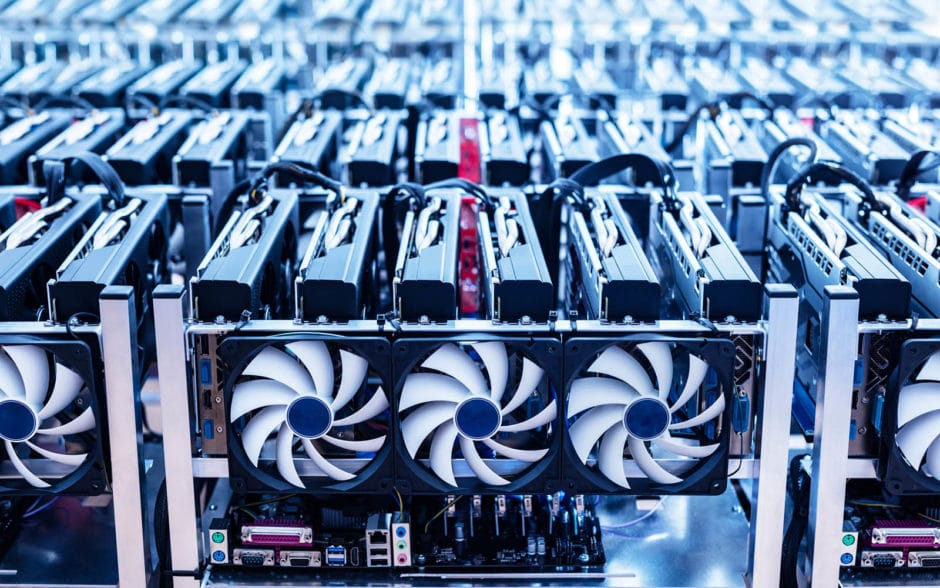
Cryptocurrency mining is the backbone of blockchain networks like Bitcoin and Litecoin, ensuring transactions are validated and recorded securely. It’s called “mining” because it introduces new tokens into circulation, similar to how mining gold adds new assets to the market.
In essence, miners use powerful computers to solve complex cryptographic puzzles embedded in each block. These puzzles can only be solved through intense trial-and-error guesswork. The first miner to find the correct solution gets to add the block to the blockchain and earns a block reward — currently 3.125 BTC after Bitcoin’s latest halving. However, mining isn’t cheap; it demands enormous computing resources, consumes a lot of electricity, and requires significant upfront investment.
What Does It Take to Start Mining?
Starting your own crypto mining operation is far from plug-and-play. Here’s what you typically need:
✅ A specialized mining machine — usually an Application-Specific Integrated Circuit (ASIC) miner designed for Bitcoin or similar networks
✅ A steady, affordable power supply
✅ Reliable high-speed internet
✅ Cooling systems to keep your hardware from overheating
✅ Technical skills to set up, run, and maintain mining operations
Because of these requirements, mining can quickly become too expensive for the average hobbyist. Research suggests that since mid-2018, mining has only been consistently profitable for professionals operating in regions with power rates below $0.14 per kWh.
Additionally, large-scale mining operations have raised environmental concerns due to their pressure on electricity grids and the overall carbon footprint.
What Is a Mining Pool?
Given how difficult it is to mine alone, many individuals and small operators join forces through crypto mining pools. A mining pool is a collaborative group of miners who combine their computational power to improve their odds of solving a block puzzle and receiving a reward.
Instead of competing individually, miners in a pool work together, share resources, and split the rewards proportionally based on their contribution. By teaming up, participants get more consistent payouts, even if the rewards are smaller per share.
Top Mining Pools and Their Market Share
According to the Hash Rate Index, the biggest players in crypto mining pools as of now are:
- Foundry USA – leading with 34.20% market share and about 257.2 EH/s (exahashes per second) hash rate
- AntPool – 18.52% share
- F2Pool – 8.93% share
China-based pools still dominate overall pooled mining with a 51.4% global share, while US-based pools hold around 42.7%.
For example, Foundry USA, the largest pool, uses the Full Pay-Per-Share (FPPS) model, implements strict KYC (Know Your Customer) procedures, and follows SOC compliance standards to maintain trust and transparency among its miners.
How Do Mining Pools Work?
When you join a mining pool, you contribute your equipment’s hash rate to the pool. Together, the pool’s combined hash rate improves the chances of solving a block and earning the associated reward.
After the pool successfully mines a block, the reward (currently 6.25 BTC on Bitcoin before the halving, but 3.125 BTC after) is divided among participants based on their proportional contribution of hash power. The pool operator also takes a small cut as a management fee.
Every mining pool essentially revolves around these three principles:
- Shared Hash Rate: All members pool their computational power.
- Reward Distribution: Rewards are shared based on each participant’s contribution
- Operator Fee: The pool charges a fee for coordinating and maintaining the network.
Popular Mining Pool Payout Models
Understanding a mining pool’s payout model is crucial before you join. Here are the most common ones:
✅ Pay-Per-Share (PPS):
Miners earn a fixed payout for every share submitted, regardless of whether a block is actually mined. This guarantees stable, predictable income and is ideal for those wanting consistent cash flow.
✅ Full Pay-Per-Share (FPPS):
An extension of PPS, this model also pays out a share of transaction fees earned within a block, increasing your total earnings.
✅ Pay-Per-Last-N-Shares (PPLNS):
In this approach, payouts are based on the miner’s contributions over a rolling window of the last N shares. This means earnings can fluctuate, but potentially be higher if the pool is successful.
Should You Join a Mining Pool?
For most individuals, joining a mining pool is a far more practical and affordable approach than trying to mine solo. Here’s why:
✔ Lower Costs – You don’t need to buy as much expensive hardware on your own, and you share infrastructure costs like electricity and bandwidth.
✔ Higher Success Rate – Pooling resources dramatically improves your chances of earning rewards regularly.
✔ Steady Payouts – Many mining pools offer consistent, predictable earnings.
✔ Community Support – Mining in a pool means being part of a community, with technical forums and guidance from more experienced miners.
The Bottom Line
Cryptocurrency mining can be a profitable activity, but it is not easy. It requires expensive equipment, technical know-how, and cheap, stable electricity. Mining pools make this process more accessible and practical by spreading the costs and increasing your odds of earning consistent rewards.
If you’re planning to get into crypto mining, consider researching reputable mining pools, their payout models, and community support channels before committing your resources. Working with a mining pool can be the difference between a rewarding experience and a money sink.