
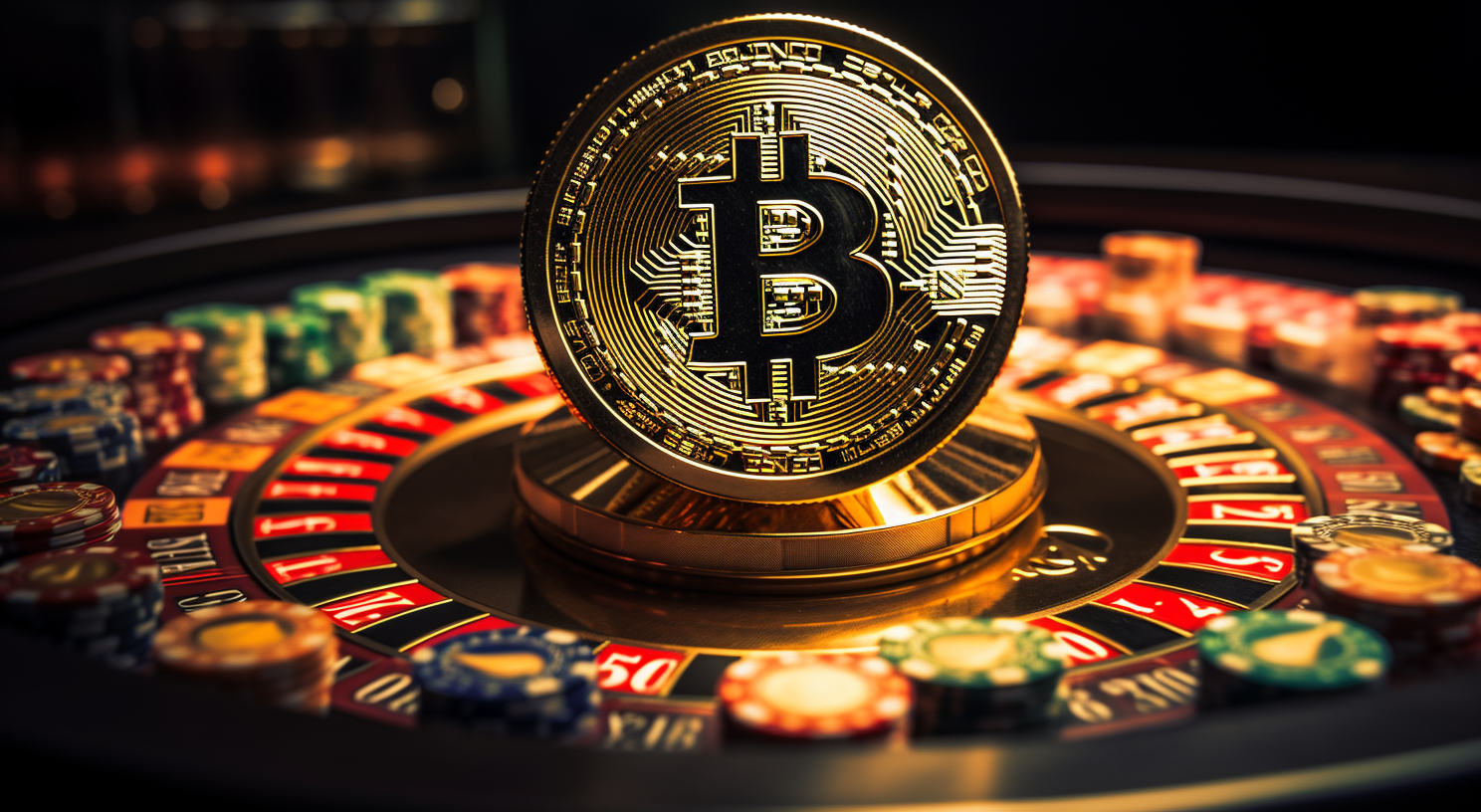
First, there was DeFi (Decentralized Finance) — a peer-to-peer financial ecosystem that cuts out traditional intermediaries. Now, you’ll likely hear about GambleFi, a rising sector combining decentralized technology, blockchain, and online gambling. GambleFi projects aim to use smart contracts and crypto-based tokens to create provably fair, transparent, and borderless betting platforms.
GambleFi is essentially where cryptocurrency, blockchain, and the global appetite for gambling meet. It taps into two hugely popular industries — crypto and gambling — to deliver unique entertainment while addressing problems that have historically plagued traditional online casinos, such as opaque game outcomes and unreliable payouts.
The Origins of GambleFi
The idea of blockchain-powered gambling can be traced back to the early days of Bitcoin casinos. SwitchPoker was one of the earliest crypto-betting sites in 2011, followed by Satoshi Dice in 2012. Bitcasino and Bitstarz arrived around 2014, and by 2017, Stake had entered the scene.
Even though crypto casinos were operational as early as 2014, their popularity skyrocketed once a leading crypto casino secured a remote license from the Curacao Gambling Licensing Authority. At the same time, Twitch streaming helped push these gambling projects into the mainstream by expanding their audiences and communities.
Famous personalities like Gainzy, who streams high-stakes bets, have also added to the hype. In fact, when Gainzy switched to a new gambling sponsor, the token price of his previous platform dropped by 5.3%, highlighting how much influence personalities have in the GambleFi space.
What Problems Does GambleFi Solve?
Like DeFi, GambleFi tries to fix key issues within its niche. Two of the biggest pain points in online gambling are:
✅ Fairness and Transparency — Traditional online casino games (like slots or roulette) use random number generators (RNGs), but players have no way to verify these outcomes. GambleFi projects integrate provably fair algorithms on the blockchain, allowing players to check and verify game results independently, using server seeds, client seeds, and nonces.
✅ Payments — Players often face payment delays, complicated withdrawal processes, or even blocked funds in traditional casinos. In GambleFi, players use crypto wallets and funds are typically held in smart contracts, allowing nearly instant, secure, peer-to-peer transactions.
Popular provably fair GambleFi games include Crash, Mines, Plinko, and Keno.
Top 3 GambleFi Projects as of January 2025
According to CoinGecko, the combined market cap of the leading GambleFi tokens is now about $549 million (as of January 15, 2025). Here’s a snapshot of the top projects:
1️⃣ Rollbit Coin (RLB)
Launch Date: February 2020
Blockchain: Custom Rollbit ecosystem
Utility: Used for on-site gaming benefits, including higher rakeback, reduced trading fees, and lottery entries
Tokenomics: 5 billion total supply, distributed via an airdrop to players rather than an ICO
Burn Mechanism: Rollbit burns a portion of tokens, helping reduce supply and potentially increase price
RLB’s airdrop approach rewarded its existing community and encouraged player loyalty — a strong strategy for community-based growth.
2️⃣ BC Game Coin (BC)
Blockchain: Solana
Utility: Functions as both a utility and governance token within the BC Game platform
Tokenomics: 10 billion capped supply
Burn Mechanism: Weekly buyback and burn strategy using platform revenues, reducing token supply over time
This gives players and investors confidence that BC tokens will maintain scarcity and potentially gain value.
3️⃣ Shuffle (SHFL)
Launch Date: February 1, 2023
Blockchain: ERC-20
Utility: Used for wagering, VIP perks, buyback programs, and rewards
Tokenomics: Initial circulating supply of 71,126,984.56, max supply of 1 billion
Shuffle aims to create a premium experience across slots, table games, and provably fair games, with incentives for active participation and loyalty.
Why GambleFi is Set for Growth
According to Statista, online gambling revenue is expected to hit $107.7 billion in 2025, with a projected 5.4% annual growth rate, climbing to $133 billion by 2029. The global gambling audience could surpass 291 million players by then.
This booming audience, combined with crypto’s advantages — speed, transparency, and trustless payments — gives GambleFi huge growth potential. Moreover, clearer regulations are on the horizon, which could encourage more mainstream investment and user adoption.
Technological improvements in blockchain scalability, along with the desire to diversify assets, may also make GambleFi tokens appealing for traders and long-term investors. High-risk, high-reward opportunities are part of this narrative: for example, Rollbit Coin’s price went from $0.0021 two years ago to $0.0880 today, a 58% increase for holders who stayed the course.
The Future of GambleFi
GambleFi is still early, but its unique blend of blockchain, fairness, community, and entertainment makes it a compelling sector to watch. As regulatory frameworks mature and technological innovation continues, GambleFi could reshape the future of online gaming and betting.
For now, GambleFi projects offer an exciting, if volatile, opportunity — and with crypto’s history of rapid adoption, they might just become the next big chapter after DeFi.